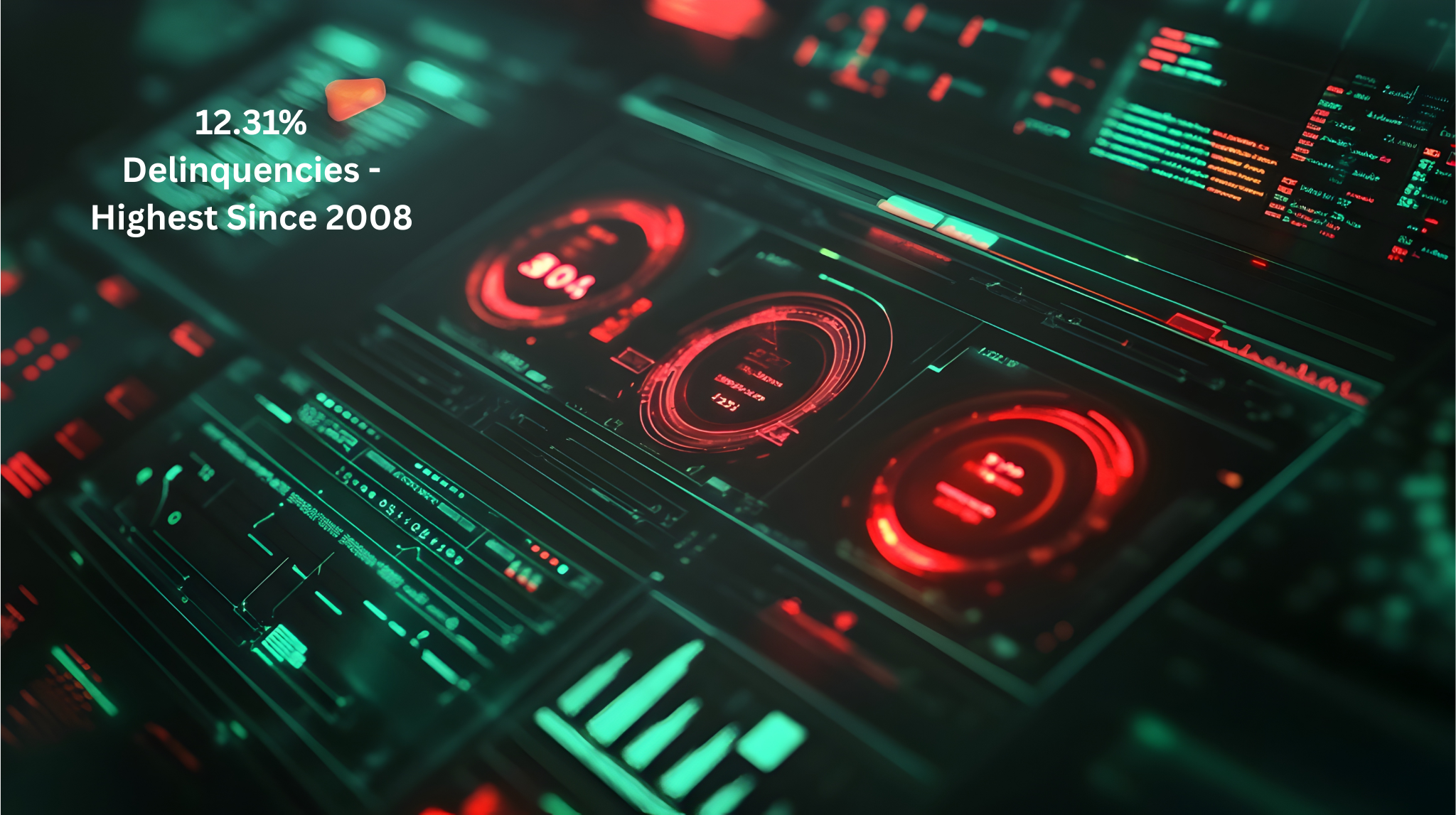
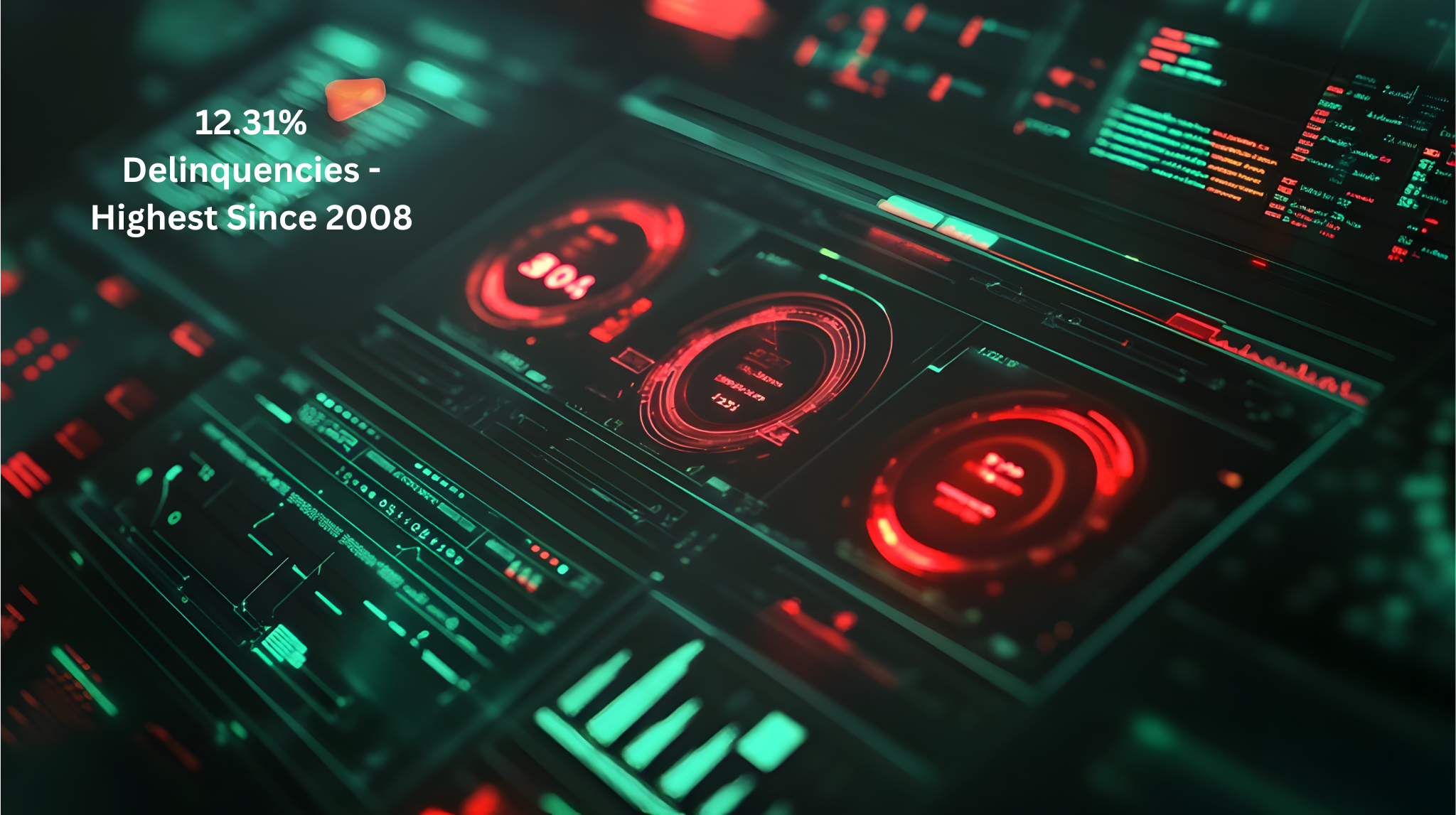
Ninety-day delinquency rates are climbing across major financial institutions. JPMorgan Chase reported its 90-day credit card delinquency rate at 1.1%, up from 0.8% in the prior year. Wells Fargo's 30-plus day delinquency rate reached 2.7%. These are not anomalies. They reflect a broad-based deterioration in consumer credit quality that demands a fundamentally different approach to collections and recovery.
Machine learning and robotic process automation offer that different approach by operating at a scale and speed that human-only teams cannot match. ML models identify patterns in vast datasets, spotting early warning signals of delinquency weeks before an account misses a payment. RPA handles the repetitive, rule-based tasks that consume collector time: pulling account data, updating records, generating correspondence, and routing accounts through workflow queues. Together, they free human collectors to focus on the high-judgment interactions where their skills make the most difference.
GOBLIN enables these technologies by providing the integrated data environment they require. Early warning systems draw on transaction patterns, payment behavior changes, bureau score movements, and digital engagement signals to flag at-risk accounts before they reach 30 days past due. Hyper-personalized engagement strategies use ML-driven segmentation to match each customer with the communication channel, message, and timing most likely to produce a positive outcome. Adaptive repayment strategies adjust payment plan terms dynamically based on the customer's changing financial situation.
The compliance benefits are equally important. RPA ensures that every customer interaction follows documented procedures, every communication adheres to regulatory requirements including timing and frequency rules, and every decision is logged for audit purposes. Intelligent prioritization ensures that collector capacity is allocated to the accounts where intervention will produce the greatest recovery, reducing both losses and the cost of collection.
Looking ahead, the integration of natural language processing will enable more sophisticated automated conversations with customers, and omnichannel strategies will ensure consistent engagement across phone, text, email, and digital platforms. The institutions investing in these capabilities today are building the operational advantage that will define their performance through the next credit cycle.